
Contents
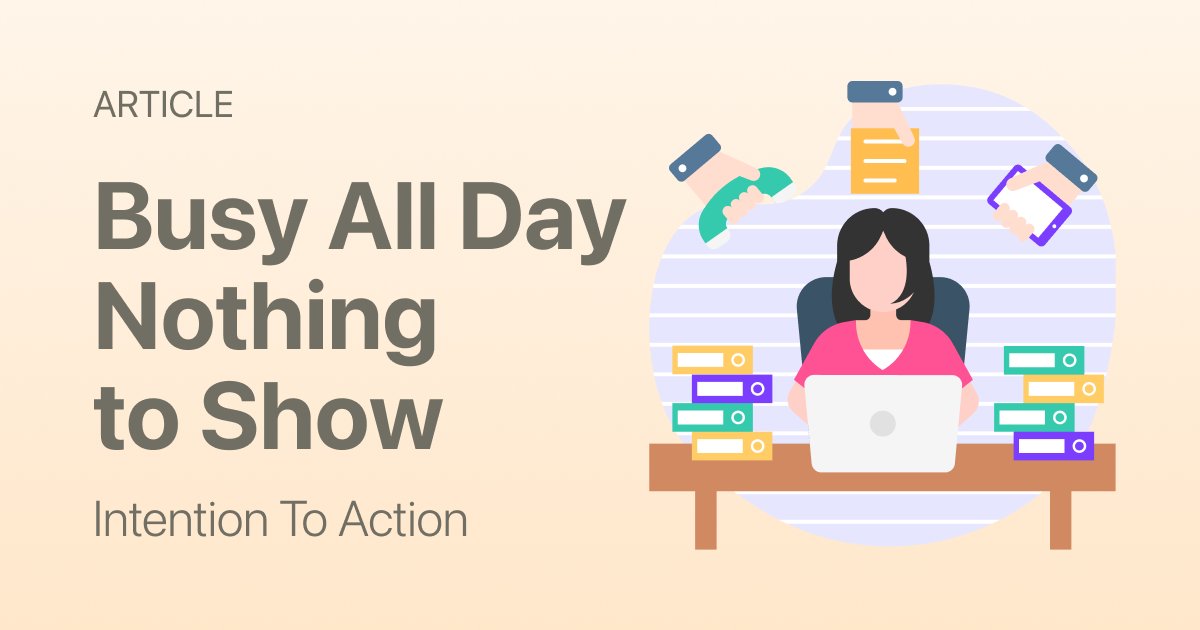
Why This Slump Feels So ConfusingBeing Busy Is Not the Same as Making ProgressThe Real Culprit: Context SwitchingWhy To-Do Lists Make This Slump WorseUnclear Task Boundaries = No Sense of CompletionWhat This Slump Actually NeedsA Tool That Helps Shift the StructureA Small Experiment You Can Try TomorrowIt’s Not Laziness — It’s FragmentationFAQYou were busy all day.
Meetings. Messages. Emails. Tabs open everywhere.
You barely stopped moving.
And yet, at the end of the day, the feeling is unmistakable:
“I did so much… but nothing actually got done.”
This isn’t laziness.
It’s a productivity slump — and it’s one of the most frustrating ones.
Why This Slump Feels So Confusing
A productivity slump is especially disorienting because effort is there.
You’re:
-
responding quickly
-
switching between tasks
-
staying “on”
-
reacting to what comes up
So when the day ends with zero satisfaction, the question hits hard:
“Where did my time go?”
The answer usually isn’t lack of work.
It’s lack of structure.
Being Busy Is Not the Same as Making Progress
Busyness is about activity.
Progress is about movement in one direction.
In a productivity slump, most of your energy goes into:
-
reacting instead of acting
-
switching contexts
-
restarting tasks
-
re-orienting yourself
Each switch costs more than you realize.
Even if each interruption is small, the mental reset adds up.
By the end of the day, your brain is exhausted —
but there’s nothing concrete to show for it.
The Real Culprit: Context Switching
Context switching is one of the biggest hidden drains on productivity.
Every time you switch:
-
from email to a document
-
from a meeting to a message
-
from one task to another
Your brain has to:
-
recall where you left off
-
reload the context
-
decide what matters now
That mental overhead is invisible — but expensive.
Too much context switching creates the exact feeling of:
“busy, but unproductive.”
Why To-Do Lists Make This Slump Worse
In theory, to-do lists should help.
In practice, during a slump, they often backfire.
A long list:
-
makes everything feel equally urgent
-
encourages constant reprioritizing
-
invites guilt instead of clarity
Each time you look at the list, you’re forced to decide:
“What should I do now?”
That decision cost alone can stall progress.
Unclear Task Boundaries = No Sense of Completion
Another reason this slump feels so bad is the lack of endings.
Many tasks today:
-
don’t have clear stop points
-
bleed into each other
-
expand endlessly
When nothing clearly ends, nothing feels completed.
And without completion, your brain doesn’t register progress —
even if you worked nonstop.
What This Slump Actually Needs
A productivity slump doesn’t need:
-
more motivation
-
better goals
-
tighter discipline
It needs:
-
fewer switches
-
clearer boundaries
-
defined time blocks
-
a sense of sequence
In other words, your work needs a shape.
From Task Lists to Time-Based Sequences
One of the most effective shifts is moving from:
“Here’s what I need to do”
to:
“Here’s what I’m doing now — and for how long”
When work is time-based:
-
you stop optimizing every decision
-
you stay in one context longer
-
completion becomes visible
-
stopping feels allowed
You’re no longer managing the amount of work.
You’re managing the order of it.
Why Order Matters More Than Volume
When tasks have a clear sequence:
-
your brain doesn’t constantly re-evaluate priorities
-
momentum builds naturally
-
switching decreases
-
focus deepens without forcing it
This is why days with fewer tasks — but clearer order — often feel better than packed days with no structure.
Turning Busyness Into Flow
This is where structure changes the experience of work.
When your day is organized as a sequence:
-
one thing leads to the next
-
time sets the boundary
-
stopping is part of the plan
You’re no longer fighting the day.
You’re moving through it.
A Tool That Helps Shift the Structure
This is where a tool like Routinery can help — especially during a productivity slump.
Not by adding more tasks,
but by helping you turn tasks into a time-based flow.
Instead of a list asking:
“What should I do next?”
You follow a sequence that says:
“Do this now. For this long. Then move on.”
That shift alone reduces:
-
context switching
-
decision fatigue
-
end-of-day frustration
Routinery doesn’t make you work more.
It helps the work you’re already doing actually count.
A Small Experiment You Can Try Tomorrow
If your days feel busy but empty, try this:
-
Pick one task
-
Decide how long you’ll work on it
-
Set a timer
-
Do only that
-
Stop when the time ends
Then notice how that feels.
Often, one clearly finished block does more for momentum
than ten half-finished ones.
It’s Not Laziness — It’s Fragmentation
A productivity slump isn’t about effort.
It’s about fragmentation.
When your attention is split too often, progress disappears —
even if you never stop working.
Restore order.
Reduce switching.
Give your work clear boundaries.
Busyness will turn back into progress.
FAQ
Why do I feel busy all day but still unproductive?
Because being busy often means reacting, switching tasks, and making constant decisions.
When your day lacks clear task boundaries and order, your brain stays active but progress doesn’t register.
Is this a productivity problem or a motivation problem?
It’s usually not motivation.
Most productivity slumps come from context switching, unclear priorities, and too many decisions — not from lack of effort or desire.
Why does multitasking make this feeling worse?
Every time you switch tasks, your brain has to reset context.
That hidden mental cost adds up quickly, leaving you exhausted without a sense of completion.
How can I feel more accomplished without doing more work?
Focus on finishing fewer things more clearly.
Working in time-based blocks with clear start and stop points helps your brain recognize progress.
What’s one small change that helps immediately?
Replace your to-do list for one part of the day with a single timed block.
Decide what you’ll work on, for how long, and stop when the time ends — even if the task isn’t “done.”
Turn this into a daily routine with Routinery.
Step-by-step timers and cues that make routines stick.
Download Routinery — Try It Free for 7 Days →